Welcome to Toowoomba's Homepage
The Toowoomba Carnival of Flowers: A Celebration of Beauty, Culture, and Community
- Details
- Written by: Administrator
- Category: Events
- Hits: 10347
Introduction
The Toowoomba Carnival of Flowers is one of Australia’s most iconic and longest-running floral festivals. Held annually in Toowoomba, Queensland, this vibrant event celebrates the region's stunning gardens, diverse horticulture, and local culture. The festival is an explosion of color, creativity, and community spirit, attracting thousands of visitors from around the globe every year. With its rich history, breathtaking displays, and array of activities, the Carnival of Flowers is a must-see event for garden enthusiasts, tourists, and locals alike.
A Brief History of the Toowoomba Carnival of Flowers
The origins of the Toowoomba Carnival of Flowers can be traced back to 1949, when a small group of local residents decided to celebrate the beauty of the region’s gardens and flowers. Toowoomba, situated in the Darling Downs, is known for its temperate climate, which supports a variety of beautiful flowering plants, particularly during spring. The carnival’s first event was a simple flower show that gradually grew in scale and popularity.
In 1950, the event was officially established as an annual festival, and over the decades, it has blossomed into a major cultural and tourism event. The festival’s success has made it an integral part of Toowoomba’s identity and a key event on Australia’s cultural calendar. Today, it attracts more than 100,000 visitors each year, making it one of the country’s premier horticultural events.
When and Where the Festival Takes Place
The Toowoomba Carnival of Flowers typically takes place in early spring, usually around the second weekend in September. The festival spans 10 days, showcasing the region’s floral beauty, local food, entertainment, and community spirit. The event is centered in and around the Toowoomba Region, which is known for its stunning parks, gardens, and streets lined with flowering trees.
Key locations for the carnival include:
- Queens Park: Toowoomba’s central park and one of the city’s oldest public spaces, offering lush gardens and the perfect backdrop for floral displays.
- The Botanic Gardens at the University of Southern Queensland: A picturesque location offering a mix of native and exotic plants.
- Private and Public Gardens: Many of Toowoomba’s most beautiful gardens, both public and private, open their gates to the public during the festival, providing an intimate and stunning floral experience.
- Main Street Parade: The streets of Toowoomba come alive during the carnival, with elaborate flower floats, street performances, and local vendors celebrating the season.
Highlights of the Toowoomba Carnival of Flowers
The Toowoomba Carnival of Flowers is a jam-packed event with a variety of activities and highlights that appeal to visitors of all ages. Some of the key features of the carnival include:
- Floral Displays and Garden Tours
One of the main attractions of the Carnival of Flowers is the breathtaking floral displays that adorn public and private gardens throughout the region. Many of Toowoomba's gardens are known for their impressive array of flowers, from tulips and roses to daffodils and geraniums, all blooming in spectacular color. During the carnival, visitors can embark on self-guided or guided tours of these gardens, marveling at the flowers that have been meticulously cultivated and tended to by local gardeners. - The Grand Parade
The highlight of the Carnival of Flowers is the Grand Parade, which takes place on the festival's opening weekend. This vibrant parade features a procession of beautifully decorated floats adorned with a stunning array of flowers. The floats are designed by local businesses, schools, and community groups, and often incorporate creative themes celebrating the region’s history, culture, and natural beauty. The parade draws thousands of spectators and is a highlight for both locals and visitors. - Garden Tours and Workshops
In addition to the outdoor floral displays, the Carnival of Flowers offers a range of workshops, demonstrations, and tours aimed at both amateur gardeners and seasoned horticulturists. Visitors can learn about everything from landscaping and garden design to flower arranging and plant care. These workshops are designed to inspire attendees and provide practical knowledge they can apply in their own gardens. - Food and Wine Festival
The Toowoomba Carnival of Flowers is not just about flowers; it is also a celebration of local food and wine. During the event, visitors can indulge in a variety of culinary delights, including gourmet food stalls, pop-up restaurants, and local produce markets. The festival often features food and wine tastings, cooking demonstrations, and the chance to sample the best that Toowoomba’s vibrant food scene has to offer. - Live Entertainment and Concerts
The carnival is also a hub of live entertainment, with performances ranging from local musicians and bands to national and international acts. Throughout the festival, various stages and venues host concerts, theater productions, and street performances, adding an energetic and festive atmosphere to the event. There are also family-friendly activities such as circus shows, art exhibitions, and interactive experiences for children. - The Carnival of Flowers Gala
For those seeking a more sophisticated evening out, the Carnival of Flowers Gala is an annual event that features a night of fine dining, entertainment, and celebration. This formal event attracts attendees from across Australia and provides a chance to enjoy a glamorous evening while raising funds for local charities.
The Impact of the Toowoomba Carnival of Flowers
The Toowoomba Carnival of Flowers has a significant impact on the local community, both economically and socially. It boosts tourism, attracting visitors from all corners of Australia and beyond. The event provides a valuable opportunity for local businesses, including florists, food vendors, and accommodation providers, to thrive during the festival period.
Beyond the economic benefits, the Carnival of Flowers fosters a strong sense of community pride. It brings together people from all walks of life, creating a sense of connection and shared celebration of Toowoomba’s natural beauty and cultural heritage. The event highlights the importance of sustainability and environmental consciousness, with many garden displays featuring eco-friendly practices and promoting conservation efforts.
Conclusion
The Toowoomba Carnival of Flowers is more than just a celebration of beautiful blooms; it is an expression of the region's culture, community, and creativity. Over the years, the festival has grown into one of Australia’s most anticipated events, attracting tens of thousands of visitors who come to admire the flowers, participate in the festivities, and experience the unique charm of Toowoomba.
With its rich history, breathtaking gardens, lively entertainment, and emphasis on local food and culture, the Toowoomba Carnival of Flowers is an event that showcases the very best of Queensland’s horticultural and cultural heritage. Whether you’re a garden enthusiast, a lover of fine food and wine, or simply looking for a fun and vibrant festival experience, the Toowoomba Carnival of Flowers offers something for everyone to enjoy.
Toowoomba Violet
- Details
- Written by: Administrator
- Category: Regional
- Hits: 695
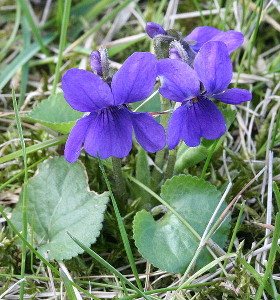 The sweet violet has long held a quiet yet profound place in the botanical and historical identity of Toowoomba. While the city is widely celebrated today for its grand public parks and the massive spring festival of flowers, its true floral soul is tied to an unassuming European wildflower known botanically as Viola odorata. Far beyond a simple garden plant, the sweet violet became inextricably linked to the memory, grief, and resilience of the local community through an extraordinary wartime effort that shaped the city's civic heritage.
Originating across Europe and parts of western Asia, the sweet violet was brought to the Darling Downs by nineteenth-century settlers seeking familiar reminders of their homelands. The high altitude of the Great Dividing Range provided an ideal environment for the plant. Sitting roughly seven hundred meters above sea level, Toowoomba experiences a cool, temperate microclimate featuring frosty winter mornings and gentle spring transitions that closely mirror European conditions. The sweet violet found a welcoming home in the rich volcanic soils and shaded gullies of the region. Spreading naturally via underground runners, the low-growing perennial soon naturalized across the landscape, carpeting suburban footpaths and damp lawns in shades of deep purple every winter and spring.
The transformation of the sweet violet from a common garden escape into a revered symbol of remembrance is rooted in the immense sorrow of the First World War. As local young men departed the Darling Downs for distant battlefields, families endured the heavy weight of conflict. When the war finally ended, the community faced the devastating reality of a lost generation. Mothers and female relatives of fallen soldiers sought a tangible way to honor their sacrifice and established a plan to build a major monument. To raise the necessary funds, these women turned to the natural abundance growing right in their own backyards.
Grieving mothers, grandmothers, and sisters across the city meticulously harvested wild-growing sweet violets from local gardens and shaded creek banks. They tied the blooms into precise posies, each standard bunch containing exactly fifty fragrant purple flowers and three protective green leaves, bound securely with simple cotton thread. These delicate bunches were sold for three-pence each at local race meetings, street corners, and fundraising events. It quickly became a poignant and fashionable gesture for women to wear a posy of Toowoomba violets pinned to their lapels as a sign of mourning and solidarity.
Through this grassroots fundraising effort, the community raised an astonishing eighteen hundred pounds, a massive sum for the era that directly funded the construction of the Mothers Memorial. Unveiled by the Queensland Governor in 1922, the monument remains a rare and significant war memorial commissioned entirely by women to honor their sons. To this day, the site serves as the focal point for the city annual ANZAC Day commemorations, maintaining an unbroken tradition of remembrance that began over a century ago.
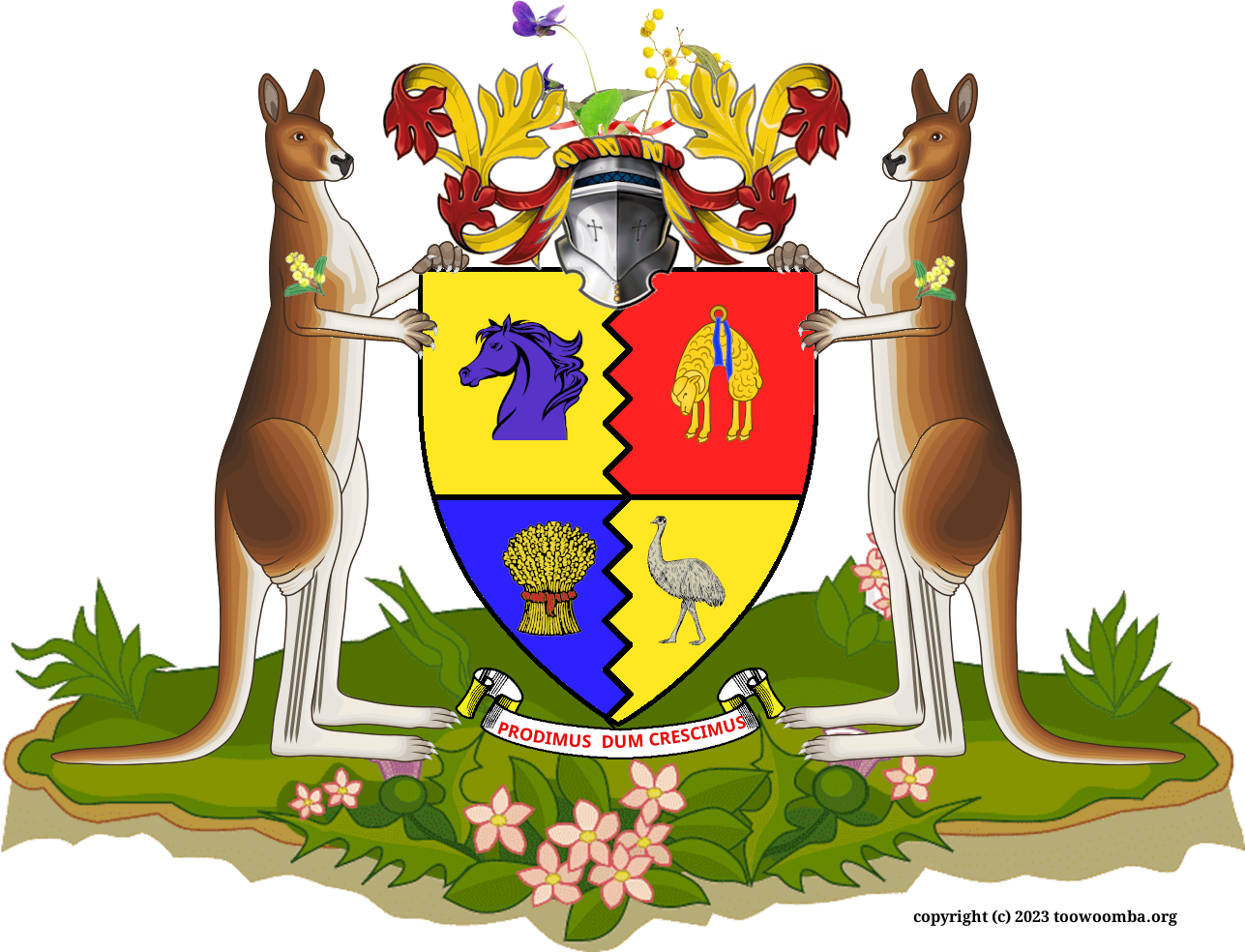
Recognizing the deep emotional resonance the flower held for the local populace, the Toowoomba City Council officially declared the sweet violet as the municipal floral emblem in January 1932. This formal declaration cemented the plant's status as a core component of the town identity, earning it the enduring local nickname of the Toowoomba Violet. The cultural footprint of the flower expanded further into official civic heraldry when Toowoomba adopted its official Coat of Arms in 1960, featuring a violet alongside a sprig of golden wattle tied with a red ribbon to represent both natural beauty and historical sacrifice.
Botanically, Viola odorata possesses distinct traits that separate it from native Australian violet species. The plant features heart-shaped leaves forming a tight basal rosette close to the ground, while its flowers display deep shades of violet, purple, or lilac with a characteristic nectar spur. Its defining quality remains its intense, sweet fragrance, which historically made it a favorite for natural perfumery and traditional herbal remedies. Herbalists valued the leaves and flowers for their soothing properties, brewing them into teas to alleviate respiratory discomfort, while culinary traditions incorporated the edible petals into salads and crystallized cake decorations.
As Toowoomba has evolved into a bustling regional inland city, efforts to preserve this historical connection remain active. While urban development and changing landscaping trends have altered many residential blocks, local heritage groups and botanical enthusiasts continue to champion the plant. The visitor information centre stocks violet-themed memorabilia, and specimens can still be discovered blooming quietly in older established gardens beneath the shade of ancient trees. The sweet violet remains a powerful metaphor for Toowoomba itself, mirroring the resilient, unpretentious spirit of the families who built a community on the range.
Page 2 of 5