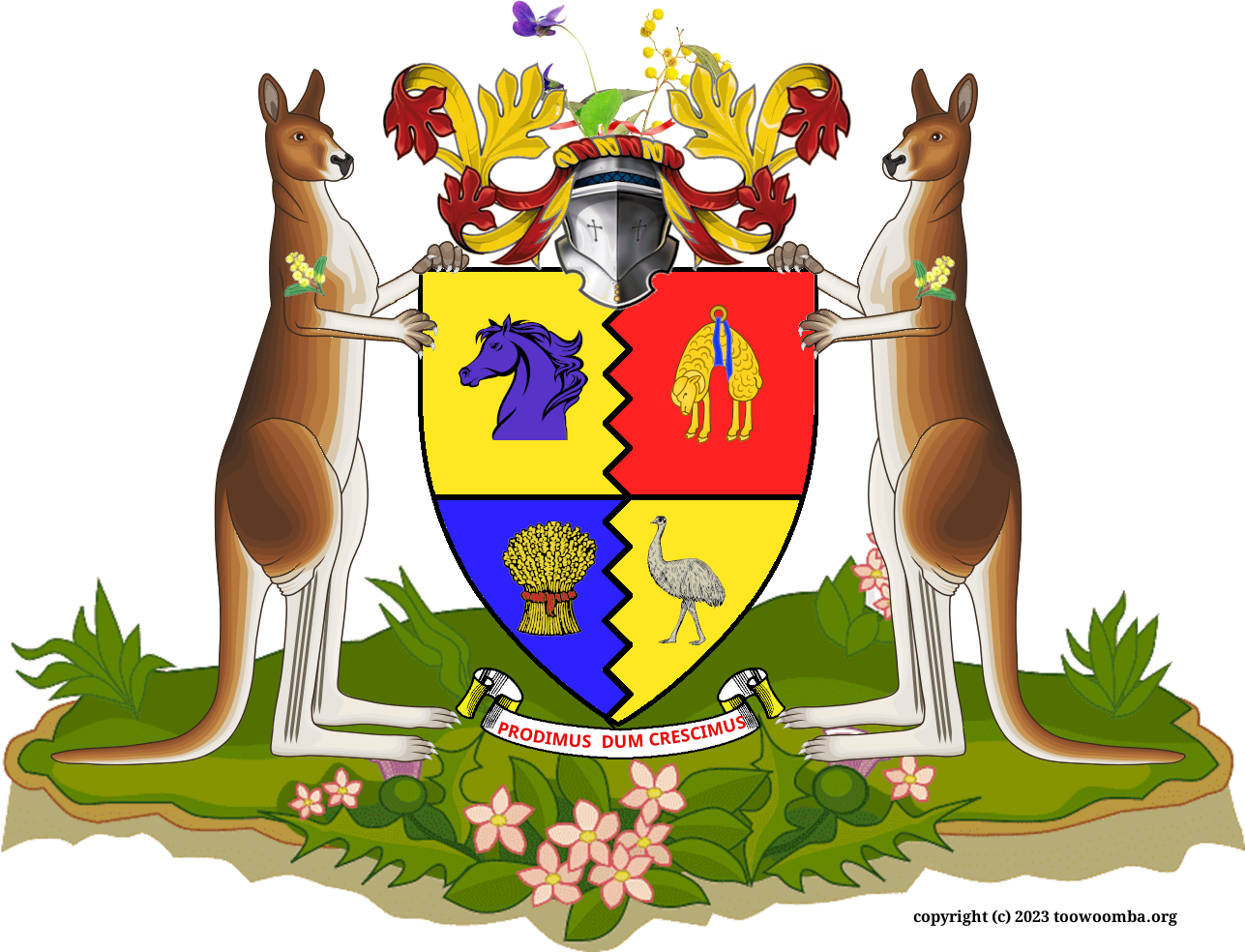
Toowoomba operates as the primary urban, commercial, and administrative capital of the Darling Downs in southern Queensland. Situated away from the coastal strip on the crest of the Great Dividing Range, the city maintains a stable population approaching one hundred and ninety thousand residents. It functions as a vital service center bridging the gap between coastal metropolitan networks and the expansive agricultural interior of Australia, offering established municipal infrastructure, diverse employment sectors, and a distinct regional identity.
Positioned approximately one hundred and twenty kilometers west of Brisbane, the city sits roughly seven hundred meters above sea level on the edge of the high plateau. This elevated geography creates a distinct microclimate compared to the coastal lowlands, featuring four defined seasons with crisp winter mornings and warm summers moderated by consistent mountain breezes. Geographically, the urban area acts as a dividing threshold, looking down into the agricultural productivity of the Lockyer Valley to the east and opening up toward the sprawling black soil plains of the west.
Traditional custodianship of the region belongs to the Giabal and Jarowair peoples, who maintained deep cultural connections to the high country for thousands of years. European presence began to take shape in the early 1840s following the inland explorations of Allan Cunningham, as pastoralists pushed livestock onto the plateau to utilize the native pastures.
The early community grew organically around a wetland area initially known as The Swamp or Drayton Swamp. Official government surveying took place in 1849, establishing the town site under the name Toowoomba, which is widely attributed to an Indigenous word for native reeds. The latter half of the nineteenth century brought rapid expansion fueled by the pastoral boom, the extension of the railway line up the range in 1867, and the rise of heavy industrial manufacturing, most notably the Toowoomba Foundry which produced the iconic Southern Cross windmills.
Key points of interest center on public green spaces, historical architecture, and panoramic escarpment lookouts. Picnic Point, located on the eastern rim of the range, provides public viewing areas, walking tracks, and children's play spaces overlooking the Lockyer Valley below. The municipality maintains more than two hundred public parks and gardens, featuring mature exotic trees such as camphor laurels and plane trees. Architectural landmarks within the central grid include nineteenth-century brick commercial buildings, heritage sandstone churches, and the Empire Theatre, a restored art deco performing arts venue.
Travelers driving from Brisbane typically complete the journey in under two hours by heading west along the Warrego Highway and ascending the range. Long-distance coach operators run scheduled daily services connecting Toowoomba to Brisbane, the Gold Coast, and various regional hubs across southern Queensland and northern New South Wales. Additionally, the Toowoomba Wellcamp Airport, located west of the city, handles scheduled commercial domestic flights, providing direct air links to major capital cities.
Visitor lodging is distributed throughout the central business district and along major arterial corridors such as James Street. Accommodation styles range from traditional roadside motels and contemporary inner-city serviced apartments to historic bed and breakfast properties housed within heritage timber homes. These options cater to corporate visitors, conference attendees, family tourists, and large groups visiting during peak festival seasons.
The regional events calendar is highlighted by the annual Toowoomba Carnival of Flowers, held every September across public spaces like Queens Park and Laurel Bank Park. Established in 1949 to stimulate post-war tourism and local economic recovery, the month-long spring celebration features structured floral displays, national entertainment acts, food and wine markets, and garden competitions that draw thousands of visitors. Other notable events include regional agricultural shows, community arts programs, and localized weekend markets.
Public transport within the urban area consists of a structured urban bus network managed by Translink, connecting residential suburbs to the central business district, major shopping precincts, and educational institutions. Taxi services and rideshare operators provide continuous coverage across the municipality. Road transport remains the dominant mode of movement, supported by the Toowoomba Second Range Crossing which diverts heavy freight vehicles around the city, alongside connected regional highways linking outward to surrounding farming townships.
Toowoomba functions as a major educational hub for regional Queensland, serving students from early childhood through to tertiary levels. The city features several long-standing independent and systemic private boarding schools, as well as comprehensive state secondary facilities that draw student enrollments from western Queensland and northern New South Wales. At the higher education level, the University of Southern Queensland maintains its primary campus within the city, delivering undergraduate and postgraduate degrees alongside specialized research facilities focused on agricultural science, regional development, and engineering.
Retail infrastructure is anchored by two major shopping centers alongside established high street commercial strips. Grand Central Shopping Centre, located in the heart of the central business district, houses major department stores, national supermarket chains, specialty fashion retailers, and a multi-screen cinema complex. Clifford Gardens Shopping Centre, situated on the western side of the city, provides additional everyday retail options and supermarkets. Smaller neighborhood commercial precincts and heritage laneways feature independent boutiques, specialty food stores, and local produce retailers.
Toowoomba successfully balances the practical attributes of a major regional inland city with a temperate climate, rich historical heritage, and established community amenities. Supported by diverse employment sectors, robust educational institutions, modern transport infrastructure, and a vibrant cultural calendar, the municipality remains a resilient and central hub for the Darling Downs region while maintaining a distinct lifestyle separate from coastal metropolitan centers.